



Essential garden maintenance tools
To maintain your garden efficiently and enjoyably, it's important to equip yourself with the right tools. Let's take a look at the tools you need to care for your outdoor space.
1. Tools for working the soil
To work the soil in your garden efficiently, several tools are essential to prepare the soil, aerate it, weed it and cultivate it in the best possible conditions.
The spadeThe spade is an essential tool for turning over the soil, digging up roots or aerating the soil in depth. To avoid backache, choose a spade with a long handle. Models with a straight blade are ideal for compact soils.
The fork allows you to turn over the soil without disturbing it too much, ideal for more aerated soils such as vegetable gardens or sandy soils. They are also highly effective at cutting weed roots while preserving soil structure.
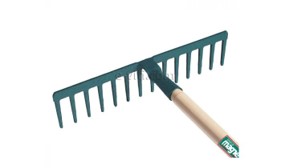
The rake is used to level and smooth the soil after ploughing. It is also very useful for collecting dead leaves or cutting residues.
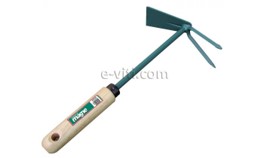
The serfouette is an excellent tool for digging, scratching, furrowing and weeding. It's a versatile tool that stands out for its efficiency in small gardening jobs, and is particularly useful for maintaining flowerbeds or vegetable gardens.
2. Pruning and trimming tools
Pruning and trimming tools are essential for keeping trees, shrubs and plants healthy and growing well. These tools enable you to cut, trim or shape your plants efficiently and precisely.
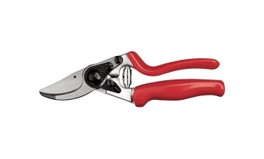
The pruning shears are the basic tools for pruning small branches and fine stems. They enable you to make clean, precise cuts, which are essential to avoid damaging your plants. Several models of pruning shears are available to suit your needs (for small / large hands, right / left-handed, with rotating handle to avoid blisters and tendonitis, etc.). All our pruning shears are available on this page.
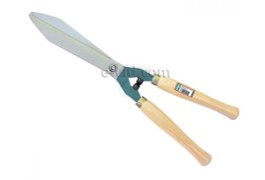
The shears is a manual pruning tool, indispensable for maintaining hedges, bushes, topiaries, garden edges or certain perennials. It is distinguished from other cutting tools by its long, straight blades, which enable clean, regular cuts to be made on large plant surfaces.
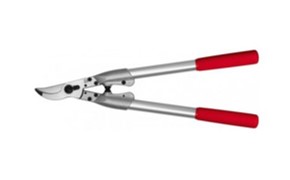
The hedge trimmer is used to trim and maintain medium to large hedges, bushes and shrubs . Like secateurs, hedge trimmers (also known as pruners) come in a variety of models : handle length, cutting head, etc.
All our 2-hand pruners (hedge trimmers, shears, saws) are available at this page.
3. Planting tools
The planting tools are essential for preparing the soil, planting your seeds, seedlings or seedlings, and caring for your crops. Whether you're working in a vegetable garden, an ornamental garden or even window boxes, there are specific tools for every stage of the planting process.
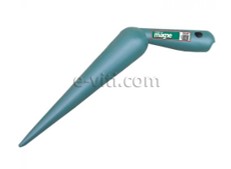
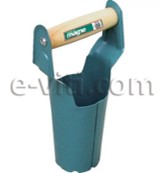
The planter is used to make precise holes for inserting plants, bulbs or seeds. There are various models of planter: the all-steel planter for planting or transplanting plants, and the bulb planter for extracting small volumes of soil from the ground.
The stake is a simple but essential gardening accessory. It plays a key role in the maintenance, upright growth and protection of plants, especially those that are young, tall or fragile. Stakes can be made of bamboo, fiberglass or plastic. Depending on the model, they are light, natural, robust and durable.
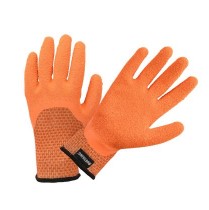
The gardening gloves are an essential protective accessory for all types of garden work. Whether you're planting, pruning, weeding or handling tools, they protect your hands from :
- cuts, splinters, thorns
- Dirt, wet soil or chemicals
- Insect bites or allergic reactions
- Toolwear (blisters, friction)
All our glove models (pruning, brushcutting, planting, weeding, heavy-duty, children's models) are available on this page.
4. Watering and fertilization equipment
Watering and fertilization equipment are essential to maintaining a healthy garden, whether in the vegetable garden, in flower beds or on a terrace. A good systemoptimizes plant growth, saves water and distributes nutrients efficiently.
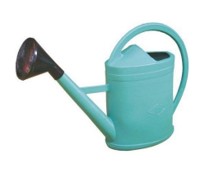
L'watering can for manual, localized watering, such as pots, window boxes, seedlings and small beds. They are available with a sprinkler head for a fine spray, ideal for seedlings, and without a sprinkler head for a more direct spray for mature plants, for example.
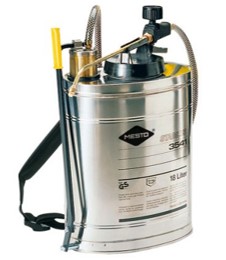
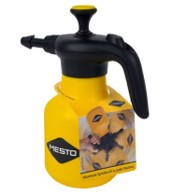
The sprayer is used to apply liquid foliar fertilizers or treatments. It can be hand-held (0.5 to 2L), pressure-adjustable (5 to 10L) or back-packed for larger gardens. Remember to clean it thoroughly after each use, especially after using chemicals.
5. How to choose and maintain your tools
Choosing and maintaining your gardening tools correctly is essential for working efficiently, ensuring your safety and prolonging the life of your equipment.
1. Which materials are best for durability?
The choice of materials is crucial to the durability of your gardening tools. There are materials to be chosen for each part of the tool to ensure robustness, corrosion resistance and ease of use.
Hardened steel or carbon steel is very strong and durable, easy to sharpen and resistant to shock and wear. But beware: it can rust if poorly maintained. Remember to clean it and apply oil.
Stainless steel resists corrosion and does not rust. It requires less maintenance than hardened steel, but blades may be less sharp because the steel is softer.
Aluminum is pleasant to the touch, strong and shock-resistant. It needs to be sanded and oiled to last over time. It is sensitive to humidity and requires maintenance (oil).
2. Our tips for cleaning and sharpening your tools
After each use, scrape off the dirt with a brush. For very dirty tools, you can dampen slightly. Use a sponge, brush and a little black soap. Dry carefully with a dry cloth to prevent rust. Finally, apply a thin coat of vegetable oil, linseed oil or Wd-40 to metal parts.
To sharpen your tools, start by cleaning the blade (see above) and locating the bevel to be sharpened. Then sharpen in the direction of the bevel with a whetstone. Then, turn the tool over to remove the burr (the small metal wire on the flat side).
Sharp blades = clean, crush-free cuts = healthier plants.
In conclusion, taking care of your tools means gardening better and longer. Taking good care of your gardening tools isn't just a question of keeping them clean: it's a real gesture of common sense, which is both economical, ecological and practical. By choosing quality tools made from durable materials and adopting a few simple maintenance reflexes (cleaning, sharpening, oiling, storage), you'll work more comfortably and prolong the life of your tools.