



Where to plant a vine?
Choosing the right location is the first step to a healthy, productive vineyard.
The vine is a perennial plant that can produce for several decades. A mistake in location can therefore have lasting consequences on grape quality, disease resistance and crop profitability. Sun, soil, climate, regulations: every parameter counts and must be studied before planting.
Site selection criteria
Sun exposure and orientation
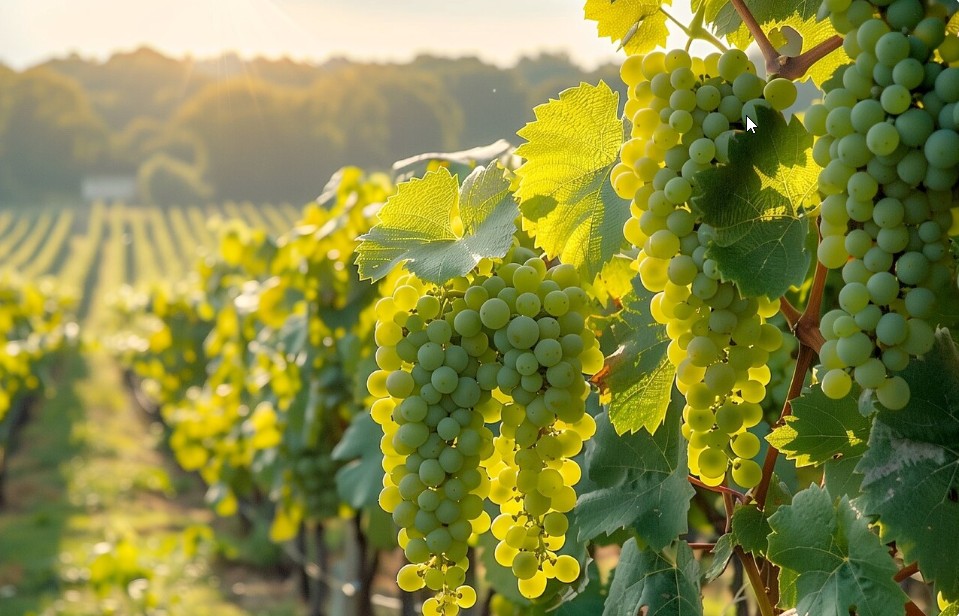
The ideal orientation is generally south or south-east, as this allows the vines to catch the first rays of the sun in the morning, while limiting exposure to the heat at the end of the day.
Plots on gentle slopes are particularly interesting: they improve sunshine, facilitate the flow of cold air and reduce the risk of spring frosts. Conversely, areas shaded by buildings, trees or high relief should be avoided, as they encourage humidity and slow down grape ripening.
Soil type and drainage
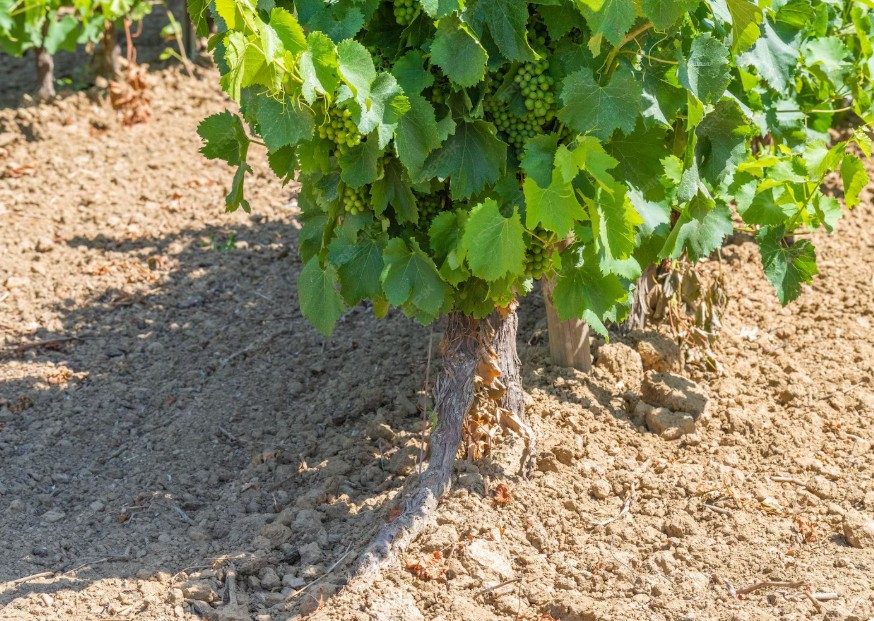
Calcareous, gravelly, sandy or clay-limestone soils are often preferred, as they limit excess water while retaining sufficient moisture to feed the plant deep down.
Soil that is too rich or too wet leads to excessive foliage growth to the detriment of the bunches, as well as an increased risk of disease. Drainage is therefore a key factor: water must be able to evacuate naturally after rainfall. In some cases, improvement work (drains, amendments) may be necessary before planting.
Protection from wind and frost
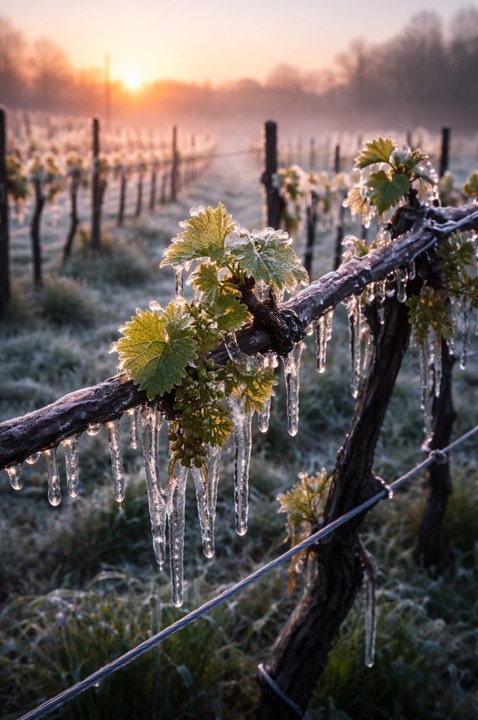
It is therefore advisable to choose a partially sheltered site, for example with hedges, woods or natural relief, while maintaining good air circulation.
Frost is one of the vine's main enemies, particularly in spring, when the young buds are very sensitive. Hollow areas, where cold air collects, are particularly exposed. Slightly elevated or sloping ground offers better protection, as cold air can drain off more easily.
To combat spring frost effectively, we offer a range of solutions to frost damage in winter.
Regulatory and environmental constraints
Planting a vineyard is not limited to agronomic considerations. In many countries, planting is subject to specific regulations, particularly for the production of wine destined for the market. It may be necessary to obtain a planting permit, or to comply with appellation regulations.
Environmental constraints must also be taken into account: protected natural areas, respect for the landscape, proximity to housing or waterways. Today, sustainable viticulture encourages planting that respects local ecosystems, limits soil erosion and preserves biodiversity.
Tips for choosing the ideal location for your vineyard
Here are a few practical tips to help you make the right choices:
- Observe the terrain over a whole season: noting areas that remain damp, shady or exposed to prevailing winds will help you decide on the optimum location.
- Have the soil analyzed: a chemical and physical analysis will tell you whether you need to adjust the pH, add soil improvers or work the soil to improve drainage.
- Combine materials and practices: using appropriate supplies(stakes, trellising, protection) from the time of planting - available on E-VITI - facilitates the installation and growth of young plants.
- Choose grape varieties suited to the local climate: some varieties prefer cold climates, others dry, hot soils. The location must be consistent with the grape variety chosen.
- Get trained and informed: relying on specialized resources, technical guides or professional advice guarantees optimal planting.
In short, choosing the right location for your vineyard requires an overall analysis of climate, soil and regulations. And to make your plans a reality, don't hesitate to explore the viticultural equipment and supplies available on E-VITI, which can accompany you from the land preparation phase right through to vineyard maintenance.