



When to plant a vine?
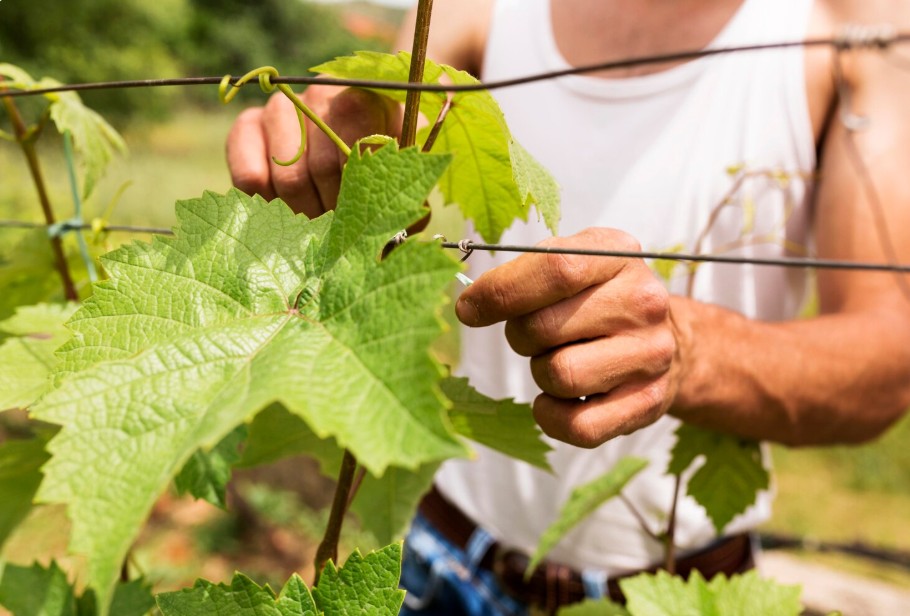
Knowing when to plant a vine depends on several parameters: the season, the local climate, the nature of the soil and the type of grape variety chosen. Understanding the right times and the agronomic factors involved helps optimize each stage of the planting process.
Discover our planting equipment on e-viti: vine planters, stakes and protective sleeves.
-
Recommended planting periods
Vines are planted during their period of vegetative rest, when the plant's physiological activity slows down. This phase, between leaf fall and spring restart, offers two main periods for planting vines: spring and autumn. Each offers specific advantages, depending on the climatic context.
Spring planting
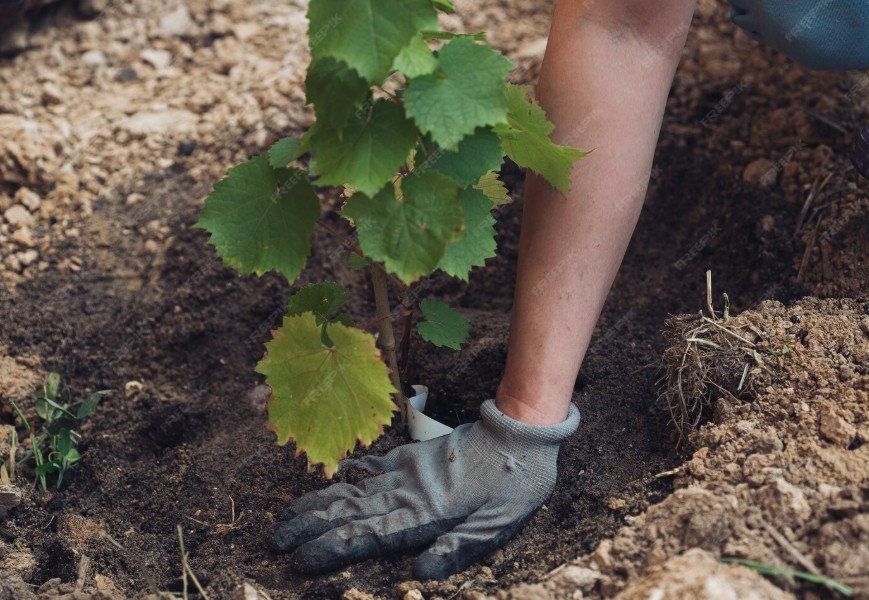
Planting vines in spring offers a number of benefits. The rapid start-up of vegetation stimulates the growth of young shoots and facilitates plant establishment. More stable weather conditions reduce the risk of cold-related mortality. In addition, the winegrower can better control soil humidity and adjust irrigation to the needs of the young stock.
However, this period calls for increased vigilance with regard to water management. The vine's undeveloped roots make it sensitive to water stress. Regular watering during the first few weeks is essential to ensure good recovery.
Spring planting is particularly suitable for farms wishing to limit climatic risks, but requires rigorous organization to support the plant's rapid growth.
Autumn planting
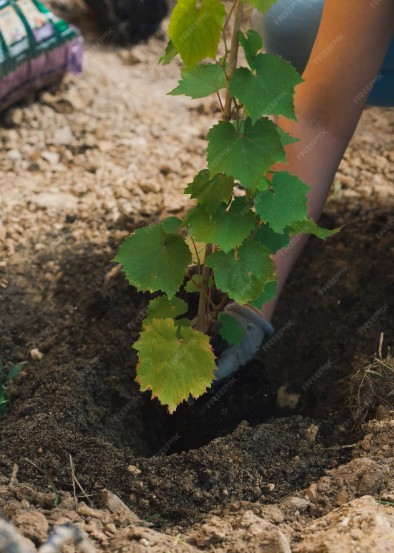
Planting a vine in autumn allows the root system to establish itself gradually over the cold season. Even if aerial growth is halted, roots continue to develop when soil conditions remain favorable. This biological advance translates into a more vigorous recovery the following spring.
Vines planted in autumn are often more resistant to summer drought, thanks to their deeper roots.
Nevertheless, autumn planting should be avoided in soils that are excessively damp or subject to winter waterlogging. Insufficient drainage can compromise the survival of young plants.
-
Factors influencing timing
Determining exactly when to plant a vine requires the integration of a number of agronomic factors. The ideal season depends as much on the environmental context as on the characteristics of the planting material used.
Grape variety and local climate
The choice of grape variety has a direct influence on the planting season. Some grape varieties are more sensitive to cold, late frosts or temperature variations. In continental or mountainous regions, where winters can be severe, spring planting limits the risk of damage to young plants.
Conversely, in areas with a mild or Mediterranean climate, autumn planting offers favorable conditions for root development. The plant benefits from a natural adaptation cycle before vegetative recovery.
Matching grape variety and terroir is a fundamental principle in viticulture.
Soil conditions and water availability
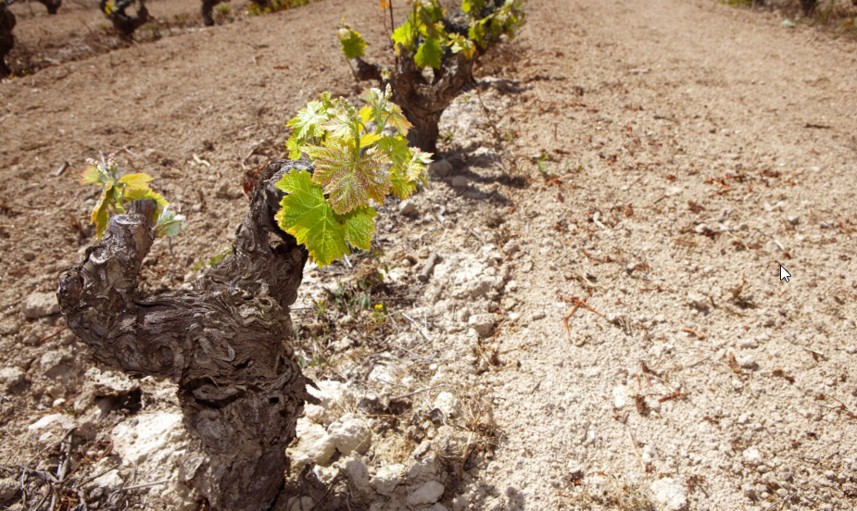
Soil that is too wet in winter increases the risk of root asphyxia when planted in autumn. In this case, waiting until spring may be preferable. Conversely, very dry or sandy soil requires precise irrigation management after spring planting.
Water availability during the first weeks after planting is crucial. Controlled water supply encourages new root development and stabilizes the plant. Technical analyses show that soil preparation - decompacting, amendments, improved drainage - is a key factor in successful planting.
Well-prepared soil reduces physiological stress and promotes uniform growth.
-
Tips for successful seasonal planting
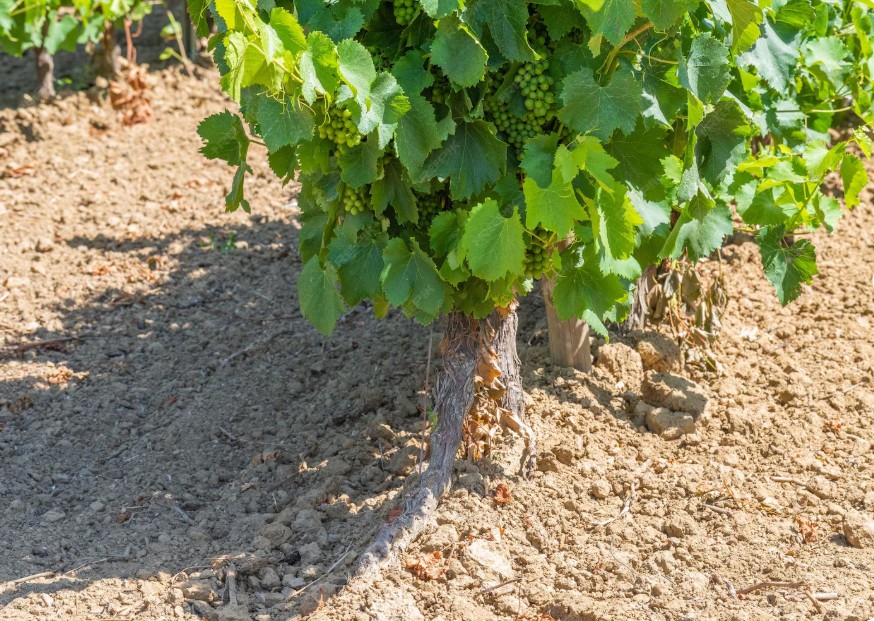
The first step is to prepare the soil in depth. Mechanical cultivation loosens the soil, improves air circulation and facilitates root development. The addition of organic amendments can enrich the soil structure.
Planting should be carried out outside periods of frost and heavy rain to avoid soil compaction. Before planting, we recommend rehydrating the roots by soaking them briefly in water. This step promotes physiological recovery.
Respecting the planting depth is essential: the grafting point must remain above ground level to prevent disease. After planting, abundant watering helps to eliminate air pockets and ensure good contact between roots and soil.
Installing a stake guides the growth of the young plant and facilitates its formation. Depending on the season, watering needs to be adjusted: moderate in autumn to avoid excess humidity, more regular in spring to compensate for evaporation.
Mulching protects the soil, limits weed competition and maintains stable humidity. In cold regions, winter protection can protect young plants from frost.
Conclusion: choosing the right time to plant a vine
Understanding when to plant a vine is a key factor for success. Autumn planting favors early rooting, while spring planting secures cold regions. By taking into account the grape variety, climate and soil conditions, and applying appropriate practices, you maximize your vineyard's chances of success.